


As a business grows, so does its volume of paperwork, customer information, financial records, employee files, contracts, and digital data. Without a strong system for organizing and storing these materials, companies quickly find themselves overwhelmed—and at risk.
Data breaches, compliance penalties, lost documents, and mismanaged storage don’t just slow down operations; they create real financial and legal consequences. Safe record organization isn’t just an administrative task anymore. It’s a core component of business continuity, security, and long-term scalability.
This guide covers everything growing businesses need to know about managing and storing records safely, with practical steps you can implement immediately.
Why Growing Businesses Need a Strong Records Management System
When an organization is small, recordkeeping is relatively simple. But as your team expands, you add more customers, handle more transactions, and increase your compliance responsibilities. That means more documents—and more risk.
Growing businesses face challenges such as:
- Overloaded filing systems that slow down productivity
- Inconsistent document handling among new team members
- Higher security threats due to more access points
- Compliance requirements that become harder to track
- Increased data privacy responsibilities
A strong records management strategy keeps your business organized, compliant, and protected as you scale. It also saves time and reduces costs associated with lost files, manual searching, and inefficient in-office storage.
What Types of Business Records Need Secure Organization
Not all documents require long-term storage, but many need protection to prevent legal or financial exposure. Key record types include:
- HR files (applications, performance reviews, payroll documentation)
- Financial records (invoices, audits, receipts, tax documents)
- Customer contracts and sensitive information
- Legal documents and corporate records
- Operational documents, SOPs, and internal reports
- Electronic media like old hard drives, USBs, and backup tapes
How to Organize Records Effectively Before Thinking About Storage
Before moving documents into any storage system—onsite or offsite—it’s essential to organize them correctly.
Categorize and Classify
Start by grouping documents into logical categories such as HR, finance, customer data, and legal. Use standardized naming conventions and file structures so every team member can locate information easily.
Create Retention Schedules
Define:
- What needs to be stored
- What should be digitized
- What should be destroyed
This prevents unnecessary clutter and reduces the risk of storing outdated or sensitive materials longer than necessary.
Assign Access Permissions
Not every employee should have access to every file. Restrict access based on role and responsibility. This reduces security risks and helps maintain control over confidential information.
Secure Storage Options for Growing Businesses
Once documents are organized, it’s time to determine the safest place to store them.
Onsite Document Storage
On-site filing cabinets or storage rooms may work initially, but they become problematic as you grow. Issues include:
- Space limitations
- Poor environmental controls
- Increased access risks
- Difficulty scaling
For businesses handling sensitive information, on-site storage is rarely the most secure option. If you use onsite storage, limit it to documents you need constant access to, preventing an overwhelming accumulation at your location.
Offsite Record Storage
Professional off-site document storage is ideal for growing companies because it provides:
- Secure, monitored facilities with controlled access
- Fire, flood, and climate protection
- File indexing and inventory tracking
- Chain-of-custody handling
- Space savings at your office
It also reduces the risk of unauthorized access and supports compliance with industry regulations.
Digital Storage and Hybrid Systems
Some organizations benefit from scanning and digitizing documents, then using a combination of cloud storage and off-site document storage facilities.
A hybrid model offers:
- Easy access
- Reliable backups
- Professional physical protection for originals
When Records Should Be Shredded Instead of Stored
Record storage and shredding go hand-in-hand. Many documents don’t need long-term storage and should be destroyed after their retention period ends. This includes:
- Old financial statements
- Expired contracts
- Duplicate files
- Outdated customer or employee information
- Old hard drives, USB sticks, and electronic media
Using professional shredding ensures complete destruction, legal compliance, and protection against data breaches.
Strong Document Storage Practices Build a Stronger Business
As your business expands, your recordkeeping responsibilities expand with it. Safe, secure document storage isn’t just about organization—it’s about protecting your business, your clients, and your future. By establishing a smart strategy now, you’ll reduce risk, stay compliant, and keep your operations running smoothly.
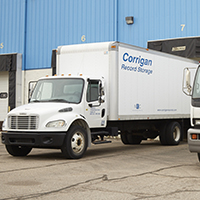
If you want expert help managing your documents securely, Corrigan Record Storage offers trusted off-site document storage and professional shredding services designed to keep growing businesses protected. Contact us today to safeguard your information with confidence.